Estate Liquidation
Alberta
Complete Guide
The Ultimate Guide to Estate Liquidation in Alberta
- By White Lily Estate Liquidations
- July 23, 2026
- 8:13 pm
- 12 min read
Share
Section 01
What Is Estate Liquidation?
Estate liquidation is the systematic process of converting a household’s personal property into cash or distributing it through sales, donations, or disposal, typically following a death, major life transition, or financial restructuring.
Estate liquidation converts a household’s belongings (furniture, collectibles, tools, jewellery) into their highest practical value. It is not simply a garage sale. Done properly, it requires expertise in appraisal, logistics, marketing, and human sensitivity.
Many families confuse estate liquidation with estate administration. Estate administration is the legal and financial process managed by an executor- probating the will, settling debts, transferring ownership. Estate liquidation is the physical process: emptying the home, valuing and selling the contents, leaving the property ready for its next chapter.

Section 02
When Is Estate Liquidation Needed?
Estate liquidation is most associated with the passing of a loved one, but it applies to a much broader range of life circumstances. Understanding when professional help is appropriate can save families weeks of difficult, often contentious labour.
Death of a loved one
The most common trigger. When a parent or spouse passes, the family must empty the home, often under emotional strain and strict estate deadlines.
Downsizing
A growing number of Alberta seniors are moving from large family homes into smaller properties. A lifetime of accumulated belongings cannot follow.
Assisted living transition
When a family member moves to a care facility, the home must often be emptied quickly while making emotionally charged decisions about what stays, what goes to family, and what is sold.
Divorce
The dissolution of a household requires equitable division and often liquidation of shared property. A neutral professional removes friction and emotion from the valuation process.
Bankruptcy or financial restructuring
Assets must sometimes be converted to cash quickly to satisfy creditors or trustees. Professional liquidators maximize returns within compressed timelines.
Section 03
The Process
A well-run estate liquidation follows a clear sequence. Understanding each phase helps set realistic expectations.
Initial Consultation
A professional liquidator visits the property, evaluates the scope, and outlines a tailored plan. Many companies in Alberta don't offer this at no charge.
Full Inventory
Every item in the home is catalogued (furniture, appliances, jewellery, art, tools, collectibles). Hidden value is frequently discovered at this stage.
Family Selections
Before any pricing begins, family members claim items of personal significance. These are set aside and excluded from the sale.
Professional Pricing
Remaining items are priced using current market data, regional comparisons, and expert knowledge of antiques and specialty categories. Strategic pricing maximizes total proceeds.
The Sale
Marketing, staging, traffic management, payment processing, and security are handled entirely by the professional team. The family need not be present.
Cleanout & Closeout
Unsold items are addressed through donation, recycling, or junk removal. The property is left clean, and final proceeds are settled.
Section 04
Estate Sale, Auction, or Buyout?
The right method depends on the size and composition of the estate, the family’s timeline, and the types of items involved. Each approach carries meaningful trade-offs.
| Method | Best For | Timeline | Expected Return | Notes |
|---|---|---|---|---|
Estate Sale |
Large household, diverse contents |
2–4 weeks |
Highest overall |
Requires staging, marketing, and public access to the home |
Auction |
High-value antiques, art, collectibles |
3–8 weeks |
Variable; can exceed estimate |
Competitive bidding can push prices up, but it can also result in a lower final sale price. |
Buyout |
Urgent timelines, smaller estates |
1–5 days |
Lower than retail |
Offers immediate results and convenience, while the liquidator absorbs the uncertainty and risk of resale. |
ESTATE SALE
Best For
Large household, diverse contents
Timeline
2-4 weeks
Expected Return
Highest Overall
Notes
Requires staging, marketing, and public access to the hone
AUCTION
Best For
High-value antiques, art, collectibles
Timeline
3–8 weeks
Expected Return
Variable; can exceed estimate
Notes
Competitive bidding can push prices up, but it can also result in a lower final sale price.
BUYOUT
Best For
Urgent timelines, smaller estates
Timeline
1–5 days
Expected Return
Lower than retail
Notes
Offers immediate results and convenience, while the liquidator absorbs the uncertainty and risk of resale.
For most families, a professional estate sale offers the best balance of payout, convenience, and speed.
Section 05
What Happens to Unsold Items?
No estate sale sells everything. The handling of remaining items is an important part of any liquidation agreement, and worth understanding before you sign.
Most professional liquidators in Alberta have established relationships with charitable organizations like Habitat for Humanity ReStores, the Salvation Army, and local family service centres. Donated items may generate a tax receipt that offsets estate income.
For items that cannot be donated, professional junk removal is typically included in or available through your liquidation package. This prevents the common scenario where families are left managing a final cleanout after the sale has concluded.
Charitable Donation
Habitat ReStore
Recycling
Junk Removal

Section 06
Common Mistakes Families Make
The same costly errors appear repeatedly. Most are avoidable with a small amount of advance planning.
Discarding Before Appraising
Families often throw away items of significant value during pre-sale cleanouts. What looks like an ordinary household item could be a collectible, antique, or specialty piece worth far more than expected. Before donating, discarding, or recycling anything, have the contents professionally reviewed.
Waiting Too Long
Every month a property sits vacant can increase holding costs through insurance, utilities, maintenance, and property taxes. Contacting an estate liquidator early-even before probate is complete-allows time to create a plan, understand your options, and avoid making rushed decisions later.
Attempting a DIY Estate Sale or Cleanout
Many families underestimate how much time and expertise is required to handle an estate themselves. The question is not only, "Can we do it?" but also, "What is our time worth?" Sorting, researching, photographing, pricing, advertising, responding to buyers, negotiating, organizing pickups, managing payments, and removing remaining items can take weeks or even months. Families also frequently undervalue items because they may not recognize collectibles, antiques, quality furniture, jewelry, tools, or specialty items that appeal to niche buyers. Successful estate liquidation requires more than simply emptying a home - it requires understanding market demand, pricing accurately, and reaching the right buyers to maximize the final return.
Understand the Pricing Before You Commit
Before hiring any estate service provider, ask for a clear explanation of what is included, how fees are calculated, and whether additional services may be required later. Professional guidance can be extremely valuable, but understanding the complete pricing structure beforehand allows families to compare options confidently and choose the service that best fits their needs.Some companies charge substantial upfront consulting fees before any liquidation work begins. Once families have invested thousands of dollars, they may feel committed to continuing with that provider, even if additional services become more expensive than expected. A transparent estate professional should clearly explain all available options, pricing, and services upfront, allowing families to make informed decisions without feeling locked into a single path.
Look Beyond Promotional Offers
Promotions such as "First Hour Free" may sound appealing, but it is important to understand exactly how the remaining work will be billed. Ask what is typically accomplished during the introductory period, what happens afterward, and how the total cost is estimated. A transparent pricing model helps prevent unexpected expenses and makes it easier to compare providers fairly.
Section 07
Benefits of Hiring a Professional
Significantly Less Stress
A professional takes full responsibility from inventory to cleanout.
This means less work for you and your family, and real time savings.
No chasing unpaid buyers, no price haggling, no no-shows to deal with.
Higher Total Returns
Professional estate sales typically outperform DIY sales, even after commission – driven by pricing expertise and wider marketing reach.
The gap is even bigger versus a DIY garage sale: professional estate sales often generate 5-10x more revenue.
Dramatically Faster Process
What might take a family three months is typically completed in 2–6 weeks. Faster completion means faster property listing and closure.
Expert Valuation
Amateur pricing leaves significant money on the table, particularly in antiques, jewellery, and specialty tools. Liquidators know what sells and to whom.
Complete Property Clearance
A full-service liquidator handles every item, not just those that sell. Donation, recycling, and junk removal are coordinated and completed, leaving the home market-ready without further effort from the family.
Section 08
Before & After: The Transformation
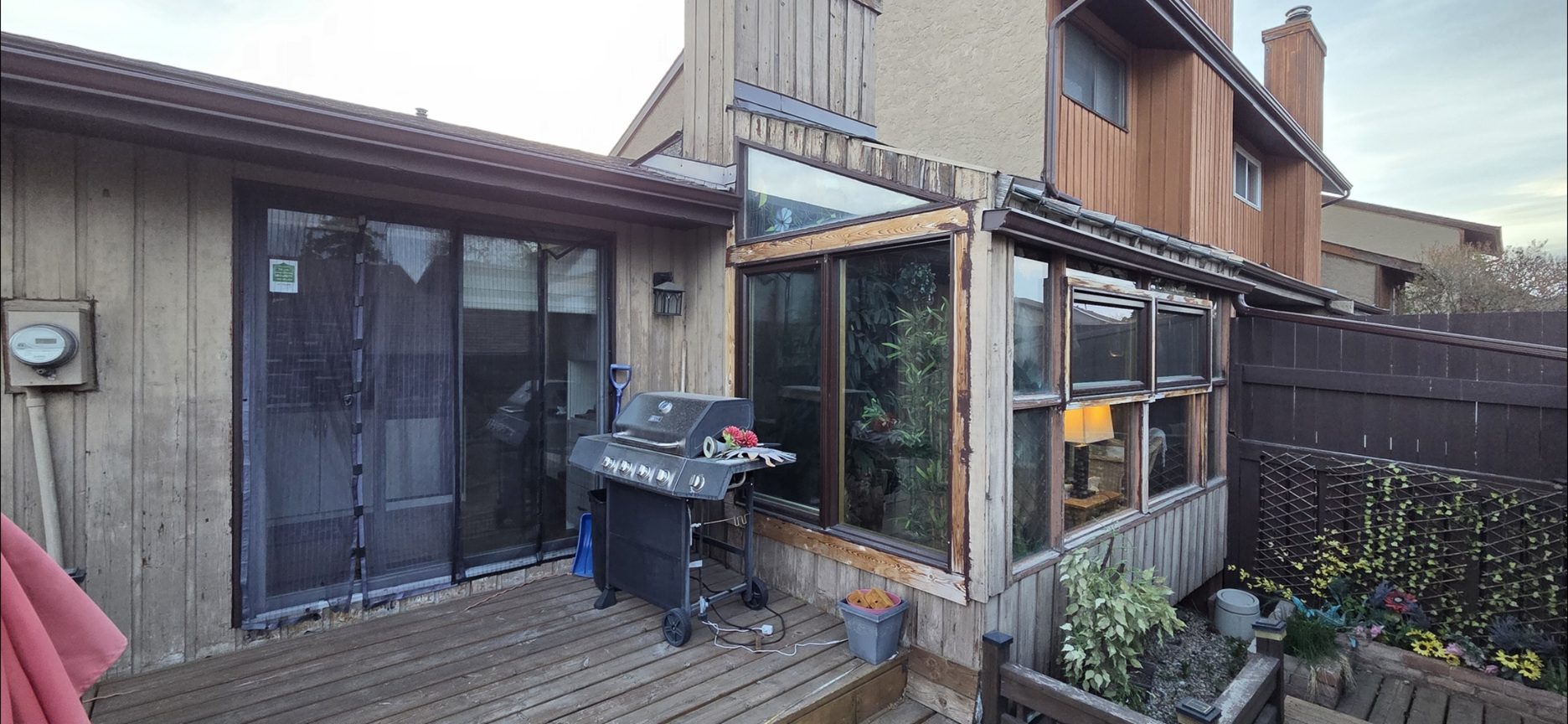
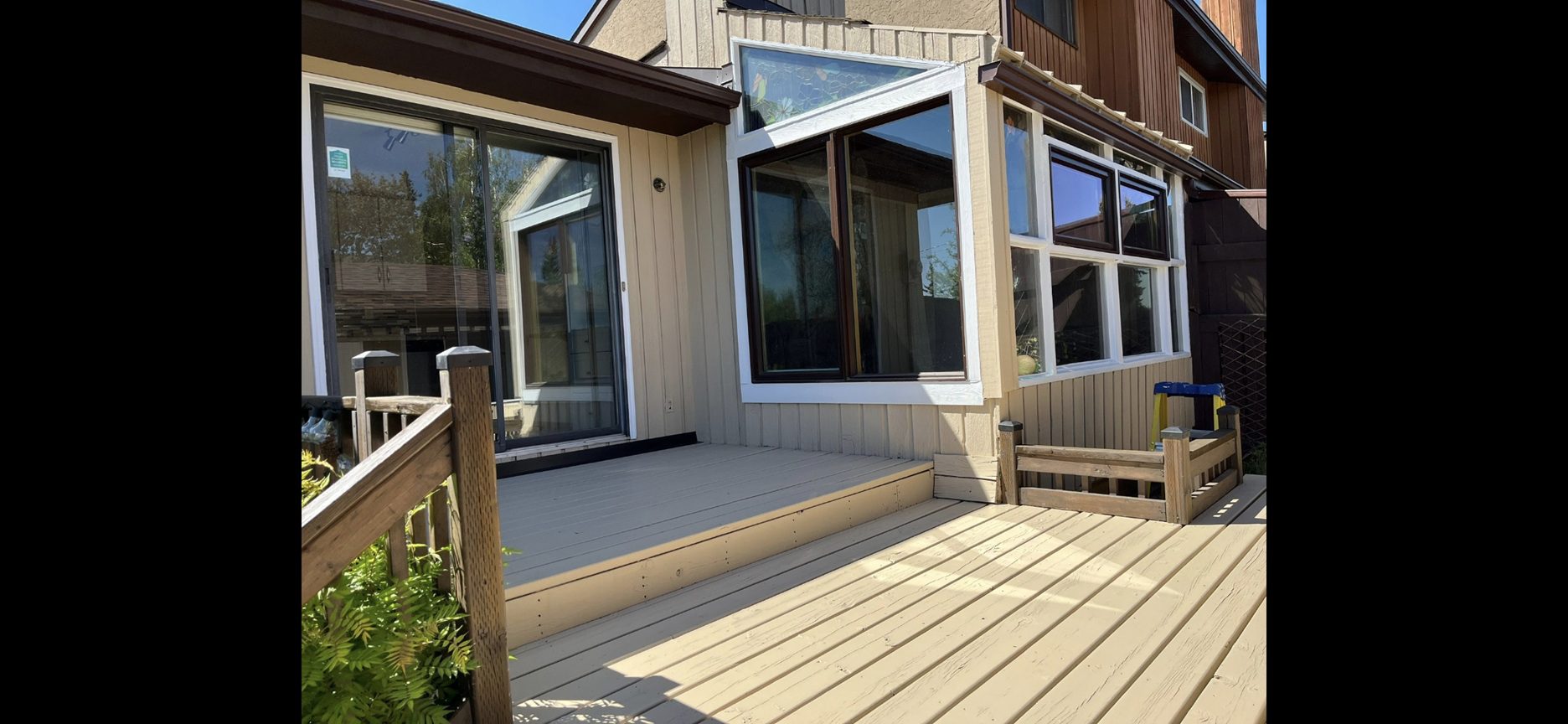
One of the most striking aspects of professional estate liquidation is the physical transformation. What begins as a densely furnished, emotionally overwhelming space is returned to the family and to the market, clean and ready. Some companies also offer additional services, such as repairs and cosmetic improvements after the sale, to help position the home in optimal condition for the market.